

All
Meetings
Storytelling
Leadership
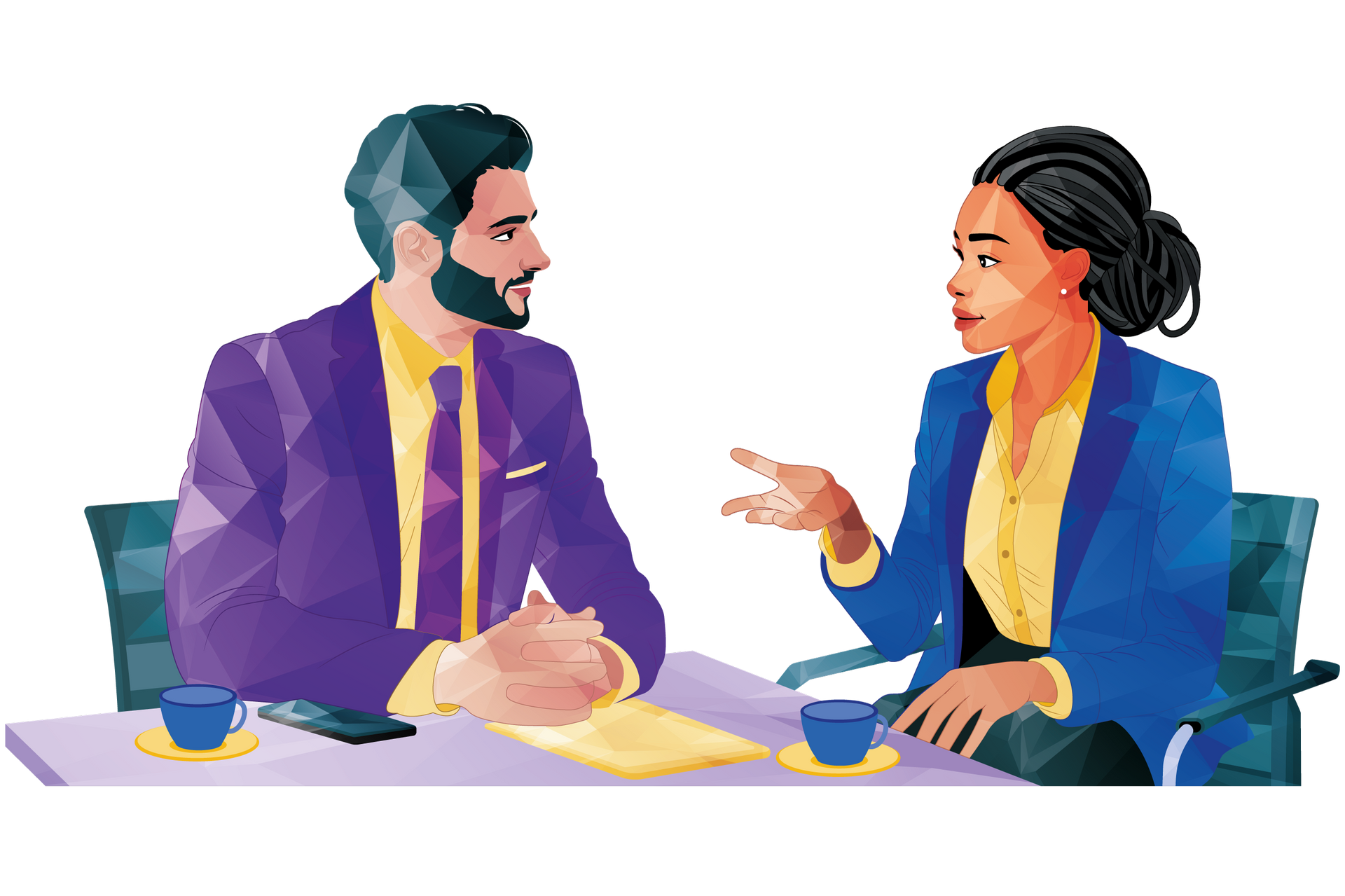
It's never been more important to be yourself. Kara's brother learned this while hiring for his company. He was eight interviews into a search for a new position at this company, and every one of them wasn’t who they said they were on their resume. Some invented their experience. Others leaned so hard on AI that he couldn't find the actual person behind the answers. He was aggravated trying to figure out what was real and what wasn’t. All he knew for sure was that he couldn’t trust his own read, so he handed the search to a recruiter. That's what happens when people can't tell what's real. They get suspicious of everyone. And when one thing about someone seems off, we doubt the whole person: the experience, the credentials, the firm handshake.
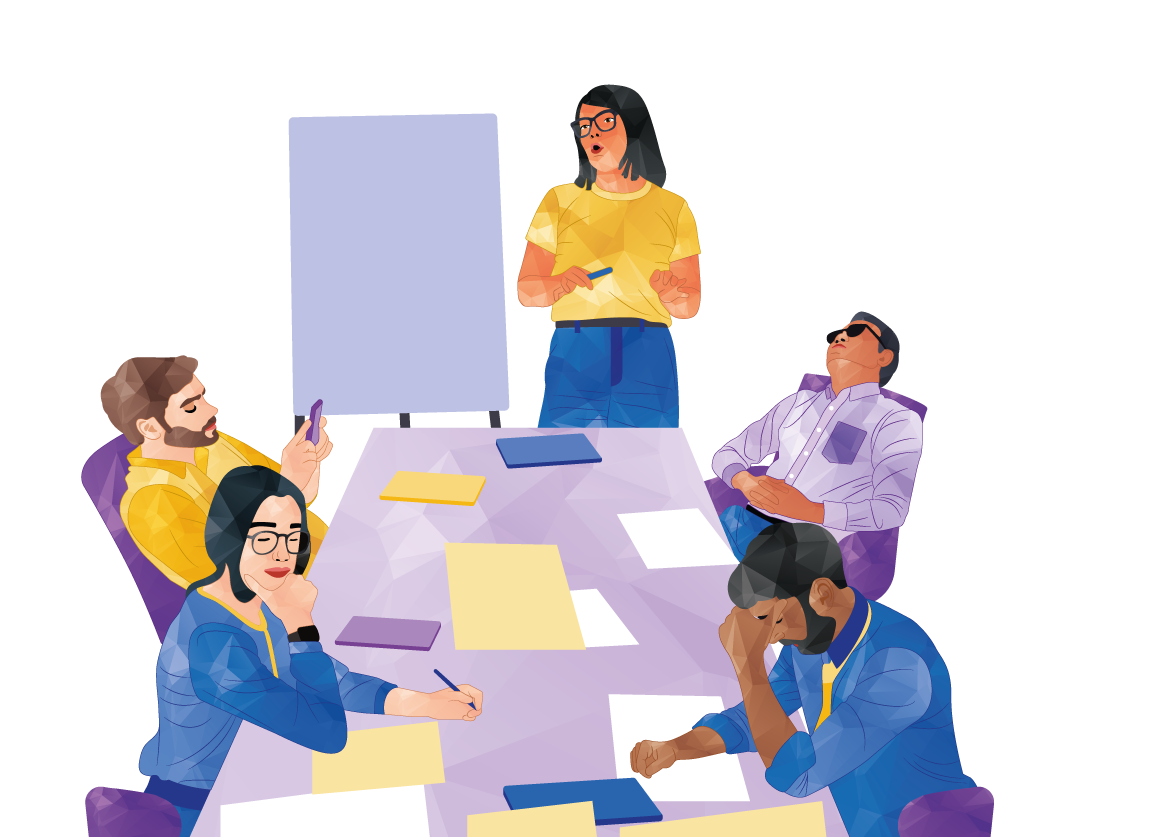
Stephanie had a mentor who went straight to ‘here’s what I would do’ the moment Stepanie asked for advice. Although this mentor was extremely well-meaning, the advice she gave was irrelevant and outside of Stephanie’s reality. “Take your clients to the ballet,” she said. But Stephanie lived nowhere near a ballet company, and her clients weren’t local to her. If this mentor had just paused to ask Stephanie a few questions, her insights would have been a lot better formulated. Most people leading a discussion default to questions that inform them rather than explore possibilities. The difference is subtle, but the impact is huge.

Leaders have to have all the answers, right? Kara had a coaching client who was facing a big org change and needed to keep her people motivated. She was hyper focused on what she should say and how she’d provide her people with answers. She knew this was a critical moment for building and maintaining trust and engagement on the team. But when Kara asked, “What would you be looking for from your leader in a moment like this?” the client said, “For them to listen to me.” Then why do we try to have all the answers? Why don’t we listen?
Letitia came to Stephanie stressed. She ran a monthly working group and every month felt the same: low attendance, low engagement, and a Q&A section that was mostly just awkward silence. She spent hours preparing a presentation nobody seemed to care about and couldn't figure out what she was doing wrong. When Stephanie asked her to walk through the format, Letitia said they do forty minutes of presentation followed by twenty minutes of Q&A. She selected the topic each month, recruited a presenter (often herself by default because no one ever volunteered), and carried the entire session on her back. Stephanie pointed out something that surprised Letitia, even though it felt obvious to her in retrospect: the format was inadvertently creating a group of observers, not active collaborators. The meeting was designed in a way that encouraged passivity.

When we tell people that Wolf & Heron doesn't use slides in its in-person workshops, they often respond with an excited, “I love that! How refreshing!” That reaction is telling. Nobody says "that's weird." They are instantly relieved, relaxed and excited. They say refreshing — which means somewhere, on some level, they already know that slides aren't working the way they're supposed to. And in fact, workshops or presentations that rely on slides often make us sleepy. Here's the science behind why.

Stephanie was coaching Lauren who, by every measure, had the change under control. She was leading her organization through a significant shift, managing multiple moving pieces at once. She communicated clearly. She had systems in place. Her team was executing. When Stephanie checked in with her, she said she felt on top of it. Then she showed up to a coaching conversation completely distraught. One of her employees had quit. The reason given: burnout. This was the person she had been most relying on to carry the weight of the change, someone who had been performing flawlessly and showing up fully to every task. What Lauren hadn't seen was what was happening underneath: the cumulative weight of what this employee had been quietly absorbing, week after week, until it finally pushed her to a breaking point.

A few weeks ago, Stephanie got on a call with a client she's been coaching for several months. This client, a public health leader who had spent years building a program she believed in, was in tears. The list of what she was navigating was almost hard to say out loud: federal funding for her department was evaporating. Public trust in the field she'd devoted her career to had cratered in the years since COVID. There was an active measles outbreak demanding her team's around-the-clock attention. The strategic plan she'd helped design was effectively on hold. And in the same week, both her boss and her most trusted employee had resigned, with a hiring freeze in place that meant no one would be coming to help.
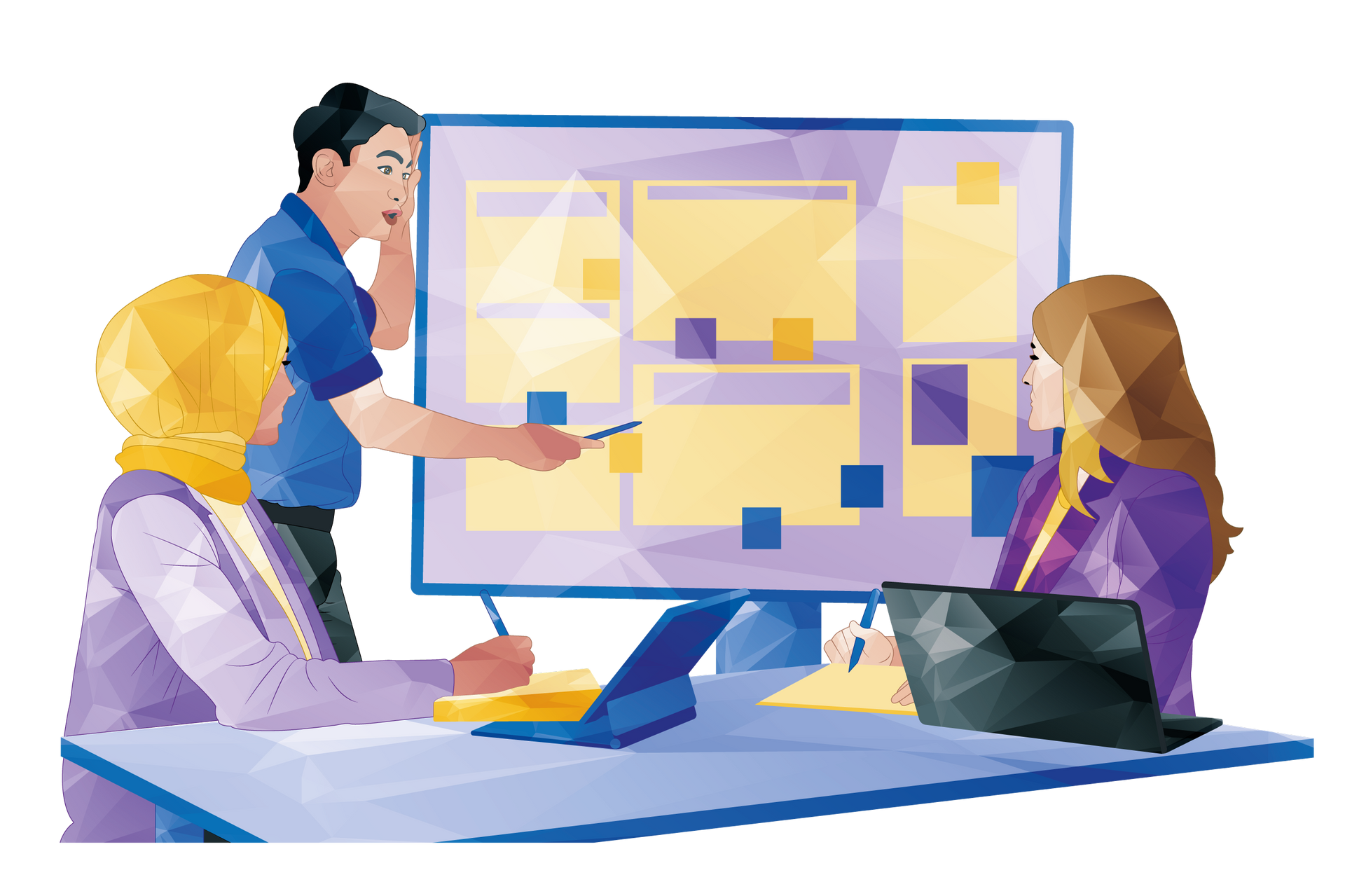
“Read the room” is common advice in professional settings, especially when people are preparing for high-stakes meetings or working with senior stakeholders. What people usually mean is that they want you to: navigate different audiences well show up professionally and handle complex real-time dynamics with confidence. Most people are told they need to read the room, but the more critical skill is what you do next and how you adapt in the moment when things don’t go as expected. “Reading the room” is actually much more about how you lead in the moment. As an influential communicator, you must be willing to check in with the group rather than move on. Then, try something different to re-engage people and move the discussion forward.
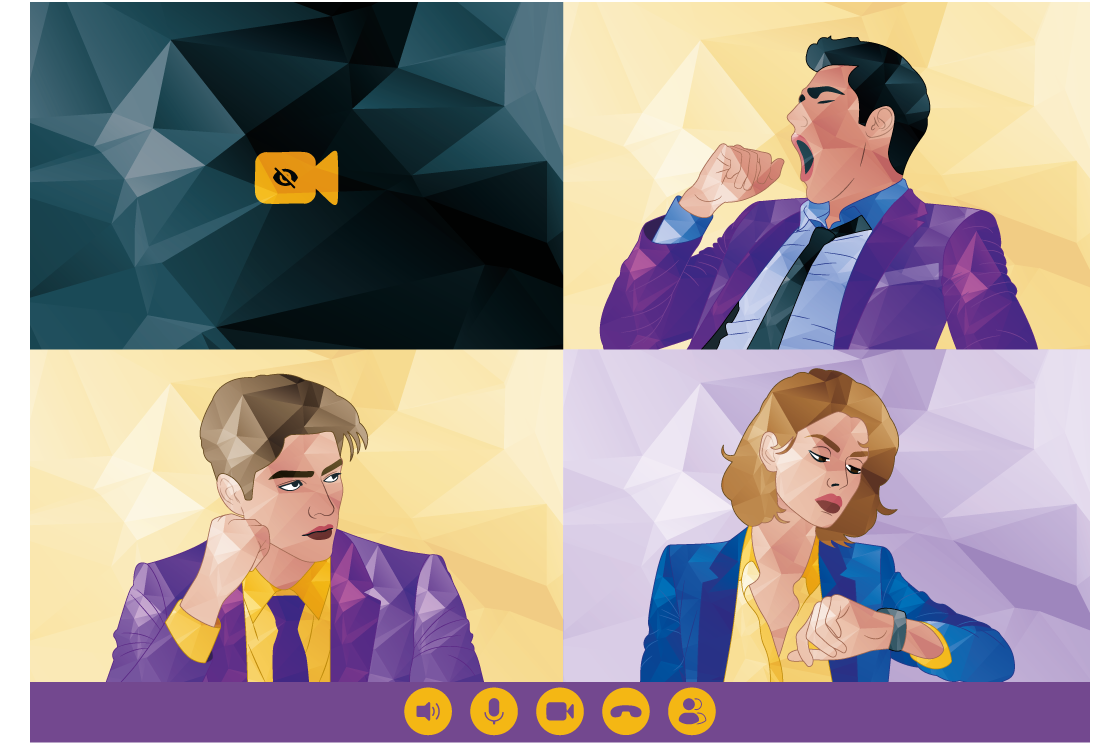
During a coaching call with Kara, a leader shared a “horror” story we can all relate to. In a recent team meeting, they presented a recommendation for a new process that he needed feedback on. The approach was going to shape the direction of a several-month project, so the stakes were high. He walked the group through his thinking, explained the approach, and then turned to the team and asked, “Any thoughts?” And then nothing. The room went quiet, and he paused and looked around, waiting for someone to jump in. No one did, and after a moment, he moved on. The meeting continued, but it felt flat and unproductive, and it was clear that something hadn’t quite worked.
Stephanie was coaching a product manager at Google, Marcus, who was preparing to pitch a new health tech idea to his executives. He had done the work. The research was solid. The opportunity was real. And like many strong operators, his instinct was to lead with the facts. During his discovery process, Marcus had interviewed a nurse, Sarah, who shared something surprising: She logged into her system about 100 times per shift. Marcus dug deeper. Each login took about a minute… That’s more than an hour and a half in an 8-hour shift spent just logging in. That’s a compelling data point. But it's not enough. Data alone doesn’t carry weight unless people feel what it means. So we worked on how he delivered it. We didn't change the numbers. We just changed the experience of hearing them.
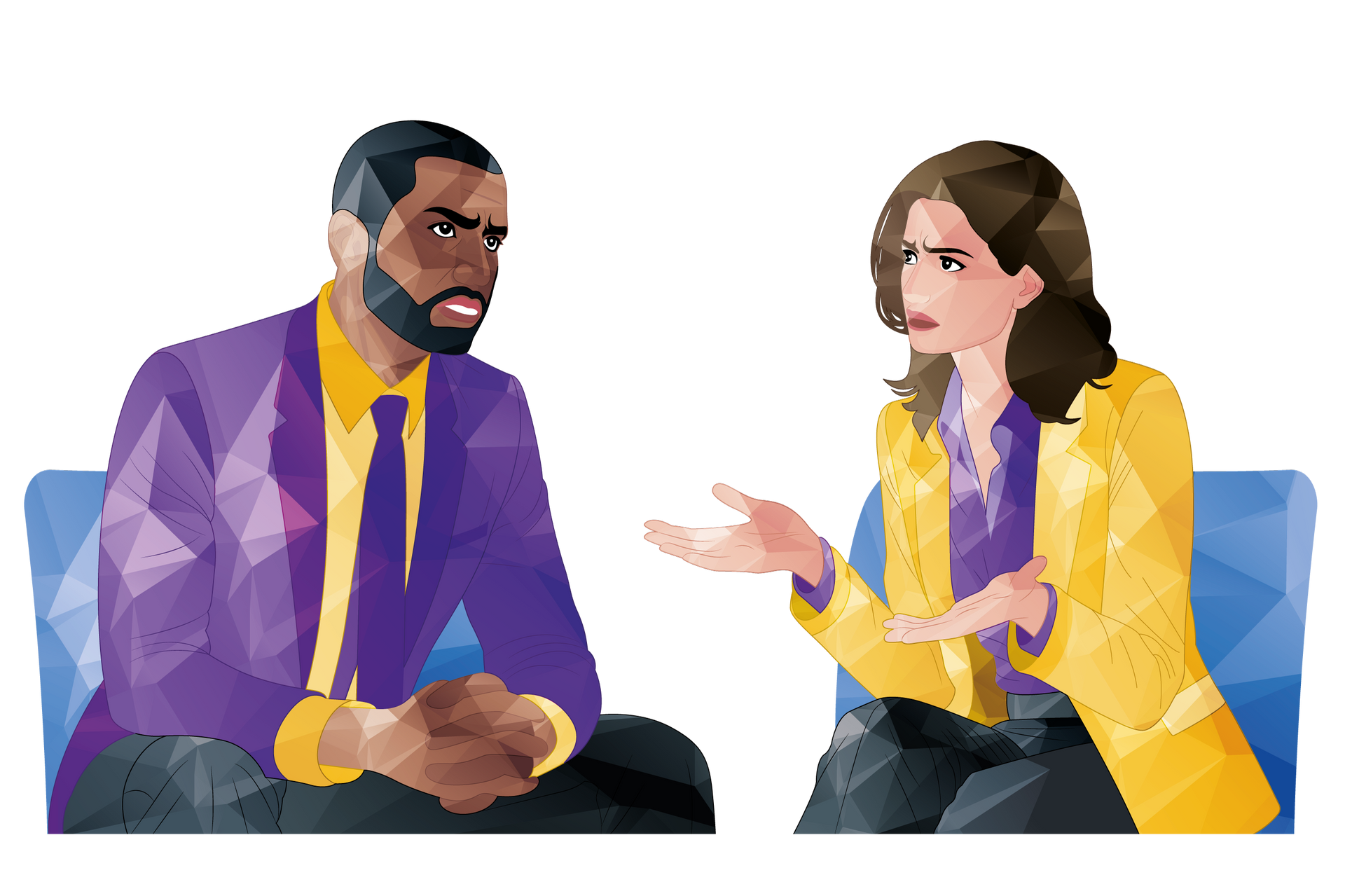
Stephanie was coaching a client, Lindsay, who was frustrated with one of her employees. The employee wasn’t looping in the right people at the right time. Lindsay’s conclusion was simple. “He’s just lazy. He doesn’t care if the right stakeholders are involved in the process.” So Stephanie asked her a different question. “What have you done to make him care?” She paused. “Well… I explained how important it was.” Voila! It was clear, logical, and direct… and yet completely insufficient on its own.

Most check-ins drift into the same tired patterns and scripts: Light chatter: “What’s going on?” Project updates: “How’s project X?” A half-hearted attempt to help: “Anything you need help on?” A vague attempt to connect: “Is there anything else on your mind that we should talk about?” Rushed, pushed or cancelled meetings Check-ins fall into these predictable habits because both parties show up and wing them. Clarity is non-existent. People don’t have a clear sense of why they’re there, what they should get out of the meeting, and how best to use the time. How often do you walk into these meetings with no agenda or sense of purpose? This is a wasted opportunity.
Many of the people we coach are people leaders who are stressed about supporting their people in the midst of (massive) organizational change. Then pile on the fact that they’re often losing resources and being asked to do more with less. We hear comments like: I don’t know what to tell my team that will be helpful when I’m frustrated and overworked myself. Leadership just keeps asking for more. How do I keep them motivated? We don’t have any professional development money for them. These leaders think that they have to show up with the answer to everyone else’s problems. They want to be able to provide a solution that will give their teams clarity and direction. They know that’s what their people want. And yet, they’re often ignoring the most critical tool in their arsenal.

Last week, Kara coached Carl, a leader who was getting ready for a working group meeting. It was the group’s first opportunity to meet after their kickoff, and a critical moment to move the group from idea to action. Carl was concerned that people would be reluctant to contribute and then he’d be left alone to do the work without the crucial input from his stakeholders. What Carl needed was some space to get clear on the desired outcomes of his meeting, think through how he was going to run it, and make sure everyone was set up to contribute meaningfully. By the end of the session, Carl felt ready. You can’t prepare to the same degree for all your meetings. Sometimes all you can do is make sure you have a Zoom link attached to the calendar invite. But for high-stakes moments, the discussions that truly matter and require input from others, you need to go further and approach them strategically. That is one of the clearest ways you demonstrate leadership.

One of the most frustrating things Stephanie and Kara experience is facing a meeting on their calendar with a vague title and no agenda. Or (let’s be honest, it’s not much better) the laundry list of topics masquerading as an agenda. When looking at these meetings, Stephanie and Kara don’t know what’s expected of them, how to prepare, nor what the point of the meeting is at all. But… although we’re all victims of this workplace crime… we’re also the perpetrators. Just last week Kara titled a meeting “Storytelling Kickoff” that didn’t have an agenda. Stephanie created a calendar invite titled “Call with Lynette.” It too, had no agenda. We were both invited to a blank “Connect.” Stephanie even registered for a webinar months ahead of time, but when the day came, the calendar invitation title was “Webinar” with no description or agenda, so of course she didn’t attend.
Earlier this month, we talked about why data can be difficult to communicate . Data often lacks meaning, is hard to process, and rarely engages people emotionally. Fortunately, there’s a way to address all three challenges at once. Storytelling is one of the most effective ways to make your data more compelling. Here’s why.

Recently, a product manager came to Kara looking for coaching on her storytelling skills and presentation delivery. When Kara asked what was behind the need, the client shared that she often has high-stakes moments with leadership where she needs to secure critical resources, like headcount. These conversations have serious implications for her team and her product’s success. She knows her data inside and out. The decision she wants to recommend to her executives feels clear to her. She’s prepared… but when she walks into the meeting, her data doesn’t land, and her arguments fall flat. She knows this because leadership asks questions like: What does this number mean? How do you know? They aren’t seeing the context, the “so what,” or how her data fits into the bigger picture of the business.
Stephanie and Kara both learned early in our professional lives that follow-through matters. As students at Michigan Ross School of Business, it was drilled into us: after an interview, send a thoughtful thank-you note that references the conversation. It was presented as a way to stand out and be polite… a nice finishing touch to remember you by. But although a thank you is polite, it doesn’t build momentum.

Early in our Wolf & Heron days, Stephanie facilitated our Influential Storytelling workshop for a major new client. It was a high-stakes moment: 100+ people in the room, a huge win for us, and her first time delivering the workshop solo. She opened with a story she had polished, rehearsed, and delivered successfully many times before.

Carissa came to Stephanie frustrated. She had a 15-minute slot with her executive leadership team, and she wanted to understand why her user-research findings weren’t influencing leadership action. She had spent months gathering insights, synthesizing trends, and surfacing recommendations, yet every time she presented them, leaders nodded politely and moved on. There was no change or follow through.
We’ve all sat through meetings that looked good on paper but left us frustrated. Stephanie was recently invited to a meeting that included an agenda right in the calendar invite!

Meetings are the most expensive way organizations spend time together. When a meeting fails, few blame leadership or facilitation.
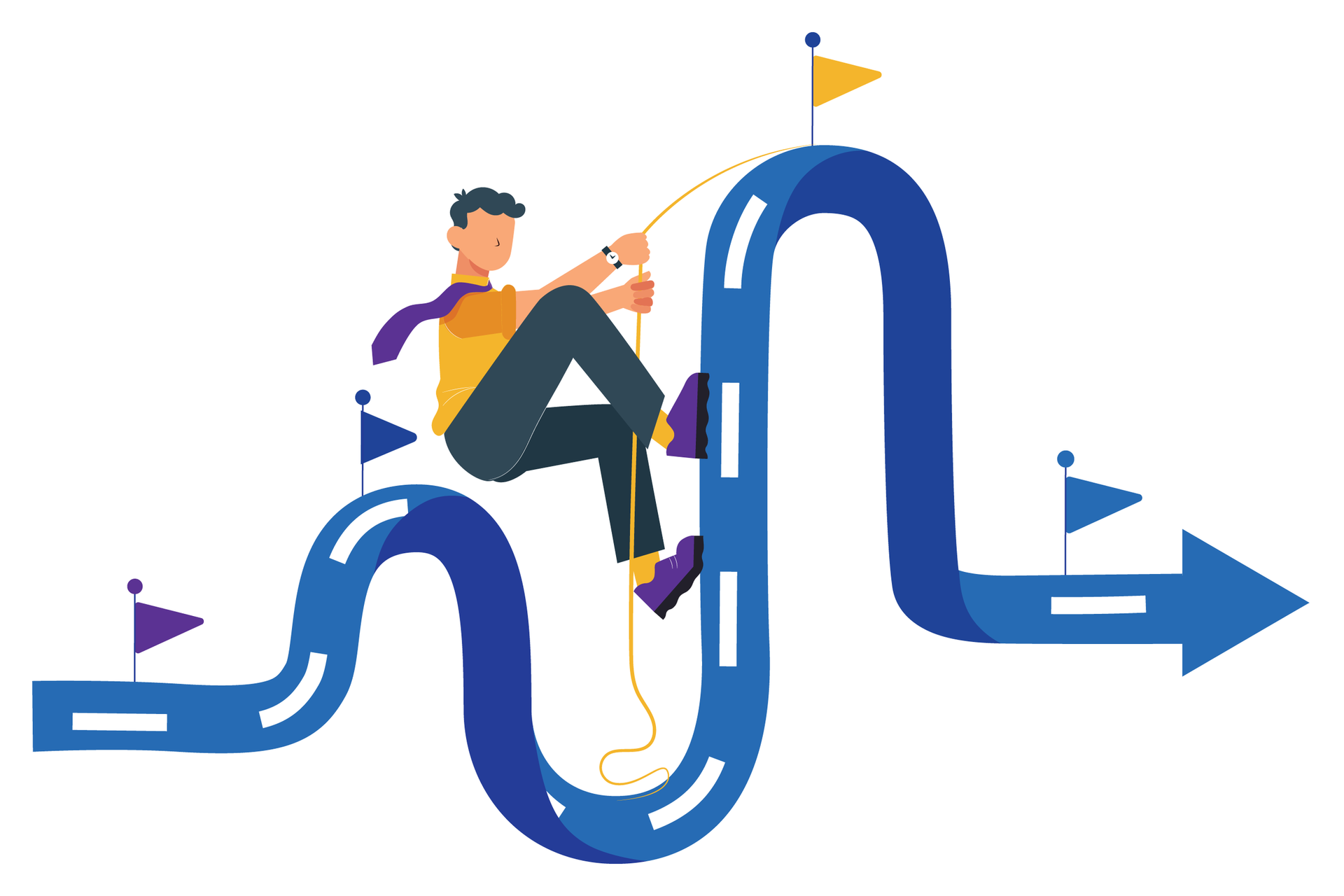
When it comes to navigating change, mid-level managers have it rough. They’re stuck between a rock (experiencing intense change) and a hard place (supporting their people through it).

Most organizations dont have a meeting problem so much as they have a thinking-about-meetings problem.



























It's never been more important to be yourself. Kara's brother learned this while hiring for his company. He was eight interviews into a search for a new position at this company, and every one of them wasn’t who they said they were on their resume. Some invented their experience. Others leaned so hard on AI that he couldn't find the actual person behind the answers. He was aggravated trying to figure out what was real and what wasn’t. All he knew for sure was that he couldn’t trust his own read, so he handed the search to a recruiter. That's what happens when people can't tell what's real. They get suspicious of everyone. And when one thing about someone seems off, we doubt the whole person: the experience, the credentials, the firm handshake.
Stephanie had a mentor who went straight to ‘here’s what I would do’ the moment Stepanie asked for advice. Although this mentor was extremely well-meaning, the advice she gave was irrelevant and outside of Stephanie’s reality. “Take your clients to the ballet,” she said. But Stephanie lived nowhere near a ballet company, and her clients weren’t local to her. If this mentor had just paused to ask Stephanie a few questions, her insights would have been a lot better formulated. Most people leading a discussion default to questions that inform them rather than explore possibilities. The difference is subtle, but the impact is huge.
Leaders have to have all the answers, right? Kara had a coaching client who was facing a big org change and needed to keep her people motivated. She was hyper focused on what she should say and how she’d provide her people with answers. She knew this was a critical moment for building and maintaining trust and engagement on the team. But when Kara asked, “What would you be looking for from your leader in a moment like this?” the client said, “For them to listen to me.” Then why do we try to have all the answers? Why don’t we listen?
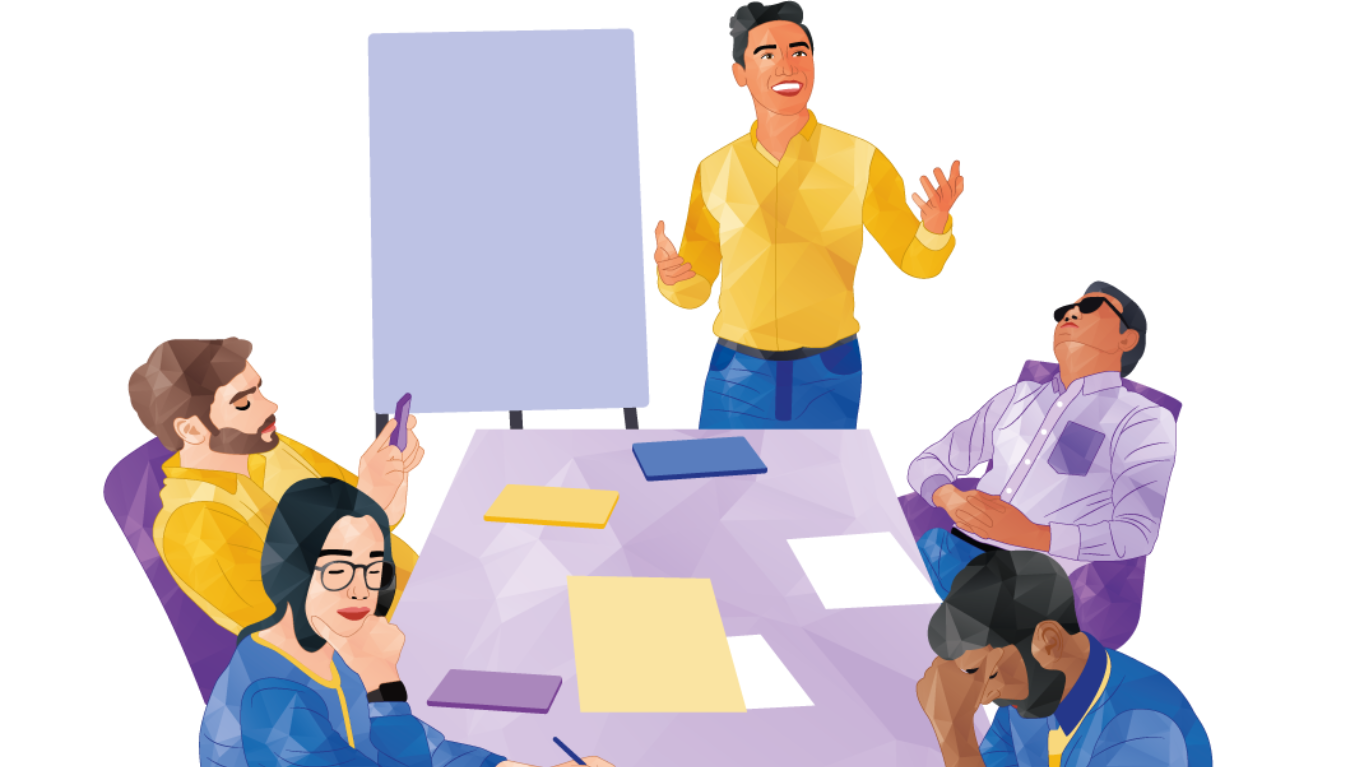
Letitia came to Stephanie stressed. She ran a monthly working group and every month felt the same: low attendance, low engagement, and a Q&A section that was mostly just awkward silence. She spent hours preparing a presentation nobody seemed to care about and couldn't figure out what she was doing wrong. When Stephanie asked her to walk through the format, Letitia said they do forty minutes of presentation followed by twenty minutes of Q&A. She selected the topic each month, recruited a presenter (often herself by default because no one ever volunteered), and carried the entire session on her back. Stephanie pointed out something that surprised Letitia, even though it felt obvious to her in retrospect: the format was inadvertently creating a group of observers, not active collaborators. The meeting was designed in a way that encouraged passivity.
When we tell people that Wolf & Heron doesn't use slides in its in-person workshops, they often respond with an excited, “I love that! How refreshing!” That reaction is telling. Nobody says "that's weird." They are instantly relieved, relaxed and excited. They say refreshing — which means somewhere, on some level, they already know that slides aren't working the way they're supposed to. And in fact, workshops or presentations that rely on slides often make us sleepy. Here's the science behind why.
Stephanie was coaching Lauren who, by every measure, had the change under control. She was leading her organization through a significant shift, managing multiple moving pieces at once. She communicated clearly. She had systems in place. Her team was executing. When Stephanie checked in with her, she said she felt on top of it. Then she showed up to a coaching conversation completely distraught. One of her employees had quit. The reason given: burnout. This was the person she had been most relying on to carry the weight of the change, someone who had been performing flawlessly and showing up fully to every task. What Lauren hadn't seen was what was happening underneath: the cumulative weight of what this employee had been quietly absorbing, week after week, until it finally pushed her to a breaking point.
A few weeks ago, Stephanie got on a call with a client she's been coaching for several months. This client, a public health leader who had spent years building a program she believed in, was in tears. The list of what she was navigating was almost hard to say out loud: federal funding for her department was evaporating. Public trust in the field she'd devoted her career to had cratered in the years since COVID. There was an active measles outbreak demanding her team's around-the-clock attention. The strategic plan she'd helped design was effectively on hold. And in the same week, both her boss and her most trusted employee had resigned, with a hiring freeze in place that meant no one would be coming to help.
“Read the room” is common advice in professional settings, especially when people are preparing for high-stakes meetings or working with senior stakeholders. What people usually mean is that they want you to: navigate different audiences well show up professionally and handle complex real-time dynamics with confidence. Most people are told they need to read the room, but the more critical skill is what you do next and how you adapt in the moment when things don’t go as expected. “Reading the room” is actually much more about how you lead in the moment. As an influential communicator, you must be willing to check in with the group rather than move on. Then, try something different to re-engage people and move the discussion forward.
During a coaching call with Kara, a leader shared a “horror” story we can all relate to. In a recent team meeting, they presented a recommendation for a new process that he needed feedback on. The approach was going to shape the direction of a several-month project, so the stakes were high. He walked the group through his thinking, explained the approach, and then turned to the team and asked, “Any thoughts?” And then nothing. The room went quiet, and he paused and looked around, waiting for someone to jump in. No one did, and after a moment, he moved on. The meeting continued, but it felt flat and unproductive, and it was clear that something hadn’t quite worked.
Stephanie was coaching a product manager at Google, Marcus, who was preparing to pitch a new health tech idea to his executives. He had done the work. The research was solid. The opportunity was real. And like many strong operators, his instinct was to lead with the facts. During his discovery process, Marcus had interviewed a nurse, Sarah, who shared something surprising: She logged into her system about 100 times per shift. Marcus dug deeper. Each login took about a minute… That’s more than an hour and a half in an 8-hour shift spent just logging in. That’s a compelling data point. But it's not enough. Data alone doesn’t carry weight unless people feel what it means. So we worked on how he delivered it. We didn't change the numbers. We just changed the experience of hearing them.
Stephanie was coaching a client, Lindsay, who was frustrated with one of her employees. The employee wasn’t looping in the right people at the right time. Lindsay’s conclusion was simple. “He’s just lazy. He doesn’t care if the right stakeholders are involved in the process.” So Stephanie asked her a different question. “What have you done to make him care?” She paused. “Well… I explained how important it was.” Voila! It was clear, logical, and direct… and yet completely insufficient on its own.
Most check-ins drift into the same tired patterns and scripts: Light chatter: “What’s going on?” Project updates: “How’s project X?” A half-hearted attempt to help: “Anything you need help on?” A vague attempt to connect: “Is there anything else on your mind that we should talk about?” Rushed, pushed or cancelled meetings Check-ins fall into these predictable habits because both parties show up and wing them. Clarity is non-existent. People don’t have a clear sense of why they’re there, what they should get out of the meeting, and how best to use the time. How often do you walk into these meetings with no agenda or sense of purpose? This is a wasted opportunity.
Many of the people we coach are people leaders who are stressed about supporting their people in the midst of (massive) organizational change. Then pile on the fact that they’re often losing resources and being asked to do more with less. We hear comments like: I don’t know what to tell my team that will be helpful when I’m frustrated and overworked myself. Leadership just keeps asking for more. How do I keep them motivated? We don’t have any professional development money for them. These leaders think that they have to show up with the answer to everyone else’s problems. They want to be able to provide a solution that will give their teams clarity and direction. They know that’s what their people want. And yet, they’re often ignoring the most critical tool in their arsenal.
Last week, Kara coached Carl, a leader who was getting ready for a working group meeting. It was the group’s first opportunity to meet after their kickoff, and a critical moment to move the group from idea to action. Carl was concerned that people would be reluctant to contribute and then he’d be left alone to do the work without the crucial input from his stakeholders. What Carl needed was some space to get clear on the desired outcomes of his meeting, think through how he was going to run it, and make sure everyone was set up to contribute meaningfully. By the end of the session, Carl felt ready. You can’t prepare to the same degree for all your meetings. Sometimes all you can do is make sure you have a Zoom link attached to the calendar invite. But for high-stakes moments, the discussions that truly matter and require input from others, you need to go further and approach them strategically. That is one of the clearest ways you demonstrate leadership.
One of the most frustrating things Stephanie and Kara experience is facing a meeting on their calendar with a vague title and no agenda. Or (let’s be honest, it’s not much better) the laundry list of topics masquerading as an agenda. When looking at these meetings, Stephanie and Kara don’t know what’s expected of them, how to prepare, nor what the point of the meeting is at all. But… although we’re all victims of this workplace crime… we’re also the perpetrators. Just last week Kara titled a meeting “Storytelling Kickoff” that didn’t have an agenda. Stephanie created a calendar invite titled “Call with Lynette.” It too, had no agenda. We were both invited to a blank “Connect.” Stephanie even registered for a webinar months ahead of time, but when the day came, the calendar invitation title was “Webinar” with no description or agenda, so of course she didn’t attend.
Earlier this month, we talked about why data can be difficult to communicate . Data often lacks meaning, is hard to process, and rarely engages people emotionally. Fortunately, there’s a way to address all three challenges at once. Storytelling is one of the most effective ways to make your data more compelling. Here’s why.
Recently, a product manager came to Kara looking for coaching on her storytelling skills and presentation delivery. When Kara asked what was behind the need, the client shared that she often has high-stakes moments with leadership where she needs to secure critical resources, like headcount. These conversations have serious implications for her team and her product’s success. She knows her data inside and out. The decision she wants to recommend to her executives feels clear to her. She’s prepared… but when she walks into the meeting, her data doesn’t land, and her arguments fall flat. She knows this because leadership asks questions like: What does this number mean? How do you know? They aren’t seeing the context, the “so what,” or how her data fits into the bigger picture of the business.
Stephanie and Kara both learned early in our professional lives that follow-through matters. As students at Michigan Ross School of Business, it was drilled into us: after an interview, send a thoughtful thank-you note that references the conversation. It was presented as a way to stand out and be polite… a nice finishing touch to remember you by. But although a thank you is polite, it doesn’t build momentum.
Early in our Wolf & Heron days, Stephanie facilitated our Influential Storytelling workshop for a major new client. It was a high-stakes moment: 100+ people in the room, a huge win for us, and her first time delivering the workshop solo. She opened with a story she had polished, rehearsed, and delivered successfully many times before.
Carissa came to Stephanie frustrated. She had a 15-minute slot with her executive leadership team, and she wanted to understand why her user-research findings weren’t influencing leadership action. She had spent months gathering insights, synthesizing trends, and surfacing recommendations, yet every time she presented them, leaders nodded politely and moved on. There was no change or follow through.
We’ve all sat through meetings that looked good on paper but left us frustrated. Stephanie was recently invited to a meeting that included an agenda right in the calendar invite!
Meetings are the most expensive way organizations spend time together. When a meeting fails, few blame leadership or facilitation.
When it comes to navigating change, mid-level managers have it rough. They’re stuck between a rock (experiencing intense change) and a hard place (supporting their people through it).
Most organizations dont have a meeting problem so much as they have a thinking-about-meetings problem.