
Dress for the Power Inside You

July 25, 2022

The first time Stephanie was mugged was in New York City at knife point. She was 22. She gave the guy her $14 and ran away. The second time was in Nicaragua. The four muggers all had machetes and very quickly took off with her wallet. When she got mugged for the third time—this time in Rwanda—Stephanie felt like it was time she learned how to stand up for herself.


First of all, in Rwanda, the guy stalked her for a while. She knew it in her gut that he was watching her, so she eyed him up and down herself. He was easily 30 pounds lighter than she was, he didn’t have a weapon of any kind, and he was clearly scared himself. When he grabbed her phone out of her hand, it dropped in several pieces to the ground (this is back in the day of flip phones and batter packs). He visibly freaked out because already things weren’t going according to his plan.


Despite the warning from her intuition, and the fact that he actually wasn’t that visibly intimidating, Stephanie just stared at him blankly, and watched as he tripped over himself trying to pick up the pieces of her phone. Then she stated, “You jerk!” and stomped off like an indignant two-year-old pouting her way to the other side of preschool because someone stole her toy. The irony was that it was STEPHANIE walking away from the situation, not HIM. He was clearly nervous and flustered. What was her deal?!


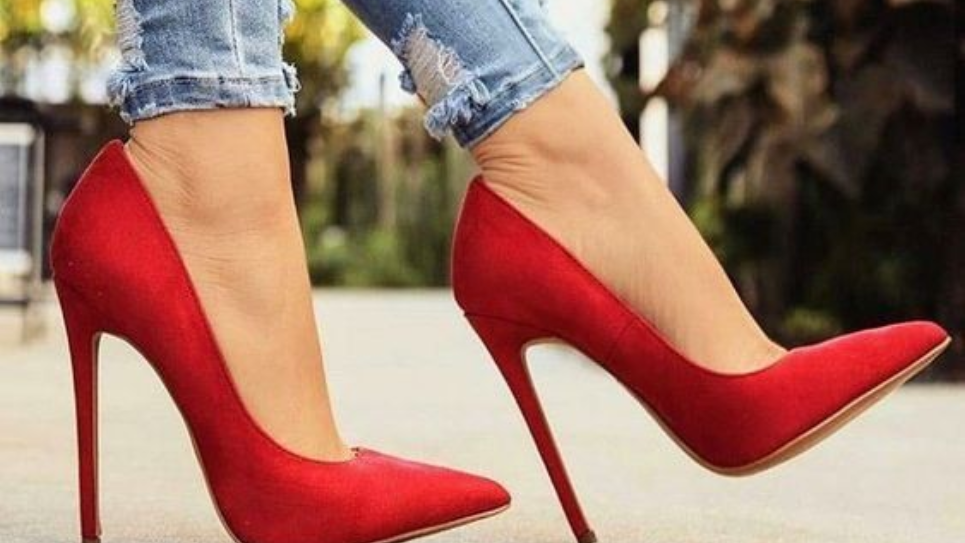
A week later, Stephanie found herself surrounded by several female friends, trading mugging stories. They wondered aloud how to handle a similar situation the next time. Stephanie’s friend Emily chimed in, “Whenever I have to go somewhere alone, I make sure I’m wearing my ‘Don’t Mess With Me’ shoes.”


Emily explained, “Last year, I was coming home from a fundraiser late at night with those shoes on, and this guy had the nerve to grab my bag as he ran by. Without even thinking about it, I ran after him screaming and shouting expletives and asking him what his mom would think of him. I was surprised that he simply dropped the bag and kept on running, but way MORE surprised by my own behavior! I had no idea where my inner lion came from.”


In Emily’s case, her “Don’t Mess With Me” shoes were a pair of red patent leather stiletto heels. As far as practicality goes, they’re not on the top of the list, and probably wouldn’t have helped her actually catch her mugger. But what they did for her was change the way she showed up in the world. In them, her walk was a strut, her humor was quick, her mind was sharp, and she had the confidence to chase down the man who stole her bag.


Years later, while doing her MBA, the career services department emphasized to Stephanie the importance of figuring out what to wear for an interview or internship. First impressions, after all, make up 97% of what people think about you long term. What was the right suit?  Should she wear the funky edgy accessories, or go more conservative? The unsaid purpose—and not everyone understood this—wasn’t about fitting in at the company. It was about determining what would put her in her power element… what would make her naturally and authentically show up the way she wanted to show up for that experience.


We’ve all heard the expressions “dress for the job you want, not the job you have” or “look good, feel good” but Stephanie didn’t really believe them. She was conflicted about wanting to look good and feeling guilty about wasting time focusing on “vain” things like clothes and makeup. But, it turns out that research indicates that what we wear affects our brain. It impacts our behavior, mood, personality, confidence, and how we interact with others. Getting dressed is less about what it signals to other people, and more about how it affects yourself.


In his book, You Are Now Less Dumb, David Raney describes the concept of “enclothed cognition.”  Check out this video for a quick overview of the idea. Clothes affect our behavior and mood because of what they symbolically mean to us and how they psychologically affect us.


Next time you get dressed, consider how your outfit literally makes you who you are, and consider choices that elevate your confidence and focus. 

What’s your power outfit?  How does it help you show up?

Share this article

Recent Posts

December 15, 2025
Stephanie and Kara both learned early in our professional lives that follow-through matters. As students at Michigan Ross School of Business, it was drilled into us: after an interview, send a thoughtful thank-you note that references the conversation. It was presented as a way to stand out and be polite… a nice finishing touch to remember you by.  But although a thank you is polite, it doesn’t build momentum.
December 1, 2025
Early in our Wolf & Heron days, Stephanie facilitated our Influential Storytelling workshop for a major new client. It was a high-stakes moment: 100+ people in the room, a huge win for us, and her first time delivering the workshop solo. She opened with a story she had polished, rehearsed, and delivered successfully many times before.
November 17, 2025
Carissa came to Stephanie frustrated. She had a 15-minute slot with her executive leadership team, and she wanted to understand why her user-research findings weren’t influencing leadership action. She had spent months gathering insights, synthesizing trends, and surfacing recommendations, yet every time she presented them, leaders nodded politely and moved on. There was no change or follow through. 
People seated around a table, one speaking, others listening, against a yellow background.
November 4, 2025
We’ve all sat through meetings that looked good on paper but left us frustrated. Stephanie was recently invited to a meeting that included an agenda right in the calendar invite!
Show More