



The first time Stephanie watched Damien work, he had a Palm Pilot in each hand, an earbud in each ear, and apparently half his brain listening to two calls simultaneously. (Yes, that Palm Pilot reference ages Stephanie. She’s aware.) Damien seemed to be everywhere at once, always with something to give. He was also her skip-level boss. His kids were teenagers, and Stephanie was closer in age to them than she was to him. In her first job out of college, he both impressed and terrified her. So when Stephanie was sent to Ithaca, NY on a recruiting trip to Cornell with Damien, her nerves took over. She saw this two-day trip as an amazing opportunity to build a relationship with him, and she wanted to make sure to impress him with her easy competence and magnanimity. Yes, always the overachiever, Stephanie had a clear vision of how the trip was supposed to go.

It's never been more important to be yourself. Kara's brother learned this while hiring for his company. He was eight interviews into a search for a new position at this company, and every one of them wasn’t who they said they were on their resume. Some invented their experience. Others leaned so hard on AI that he couldn't find the actual person behind the answers. He was aggravated trying to figure out what was real and what wasn’t. All he knew for sure was that he couldn’t trust his own read, so he handed the search to a recruiter. That's what happens when people can't tell what's real. They get suspicious of everyone. And when one thing about someone seems off, we doubt the whole person: the experience, the credentials, the firm handshake.
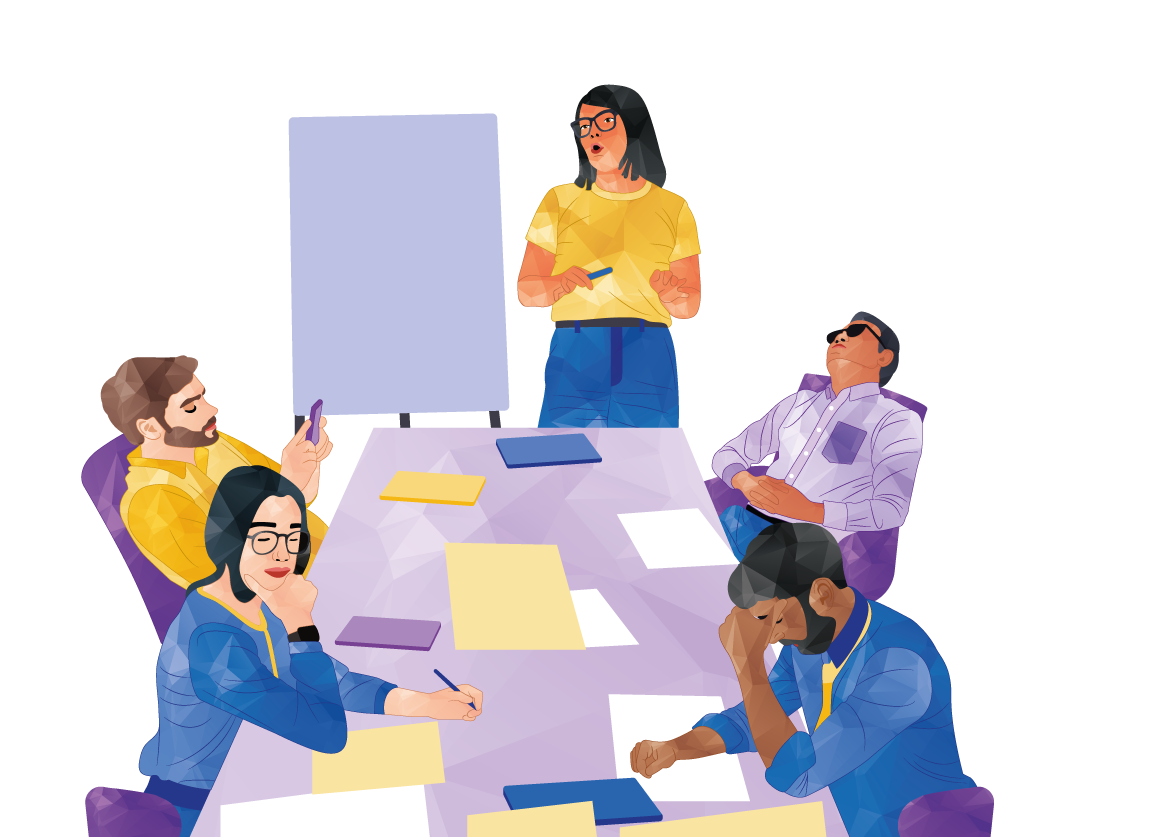
Stephanie had a mentor who went straight to ‘here’s what I would do’ the moment Stepanie asked for advice. Although this mentor was extremely well-meaning, the advice she gave was irrelevant and outside of Stephanie’s reality. “Take your clients to the ballet,” she said. But Stephanie lived nowhere near a ballet company, and her clients weren’t local to her. If this mentor had just paused to ask Stephanie a few questions, her insights would have been a lot better formulated. Most people leading a discussion default to questions that inform them rather than explore possibilities. The difference is subtle, but the impact is huge.

Leaders have to have all the answers, right? Kara had a coaching client who was facing a big org change and needed to keep her people motivated. She was hyper focused on what she should say and how she’d provide her people with answers. She knew this was a critical moment for building and maintaining trust and engagement on the team. But when Kara asked, “What would you be looking for from your leader in a moment like this?” the client said, “For them to listen to me.” Then why do we try to have all the answers? Why don’t we listen?