

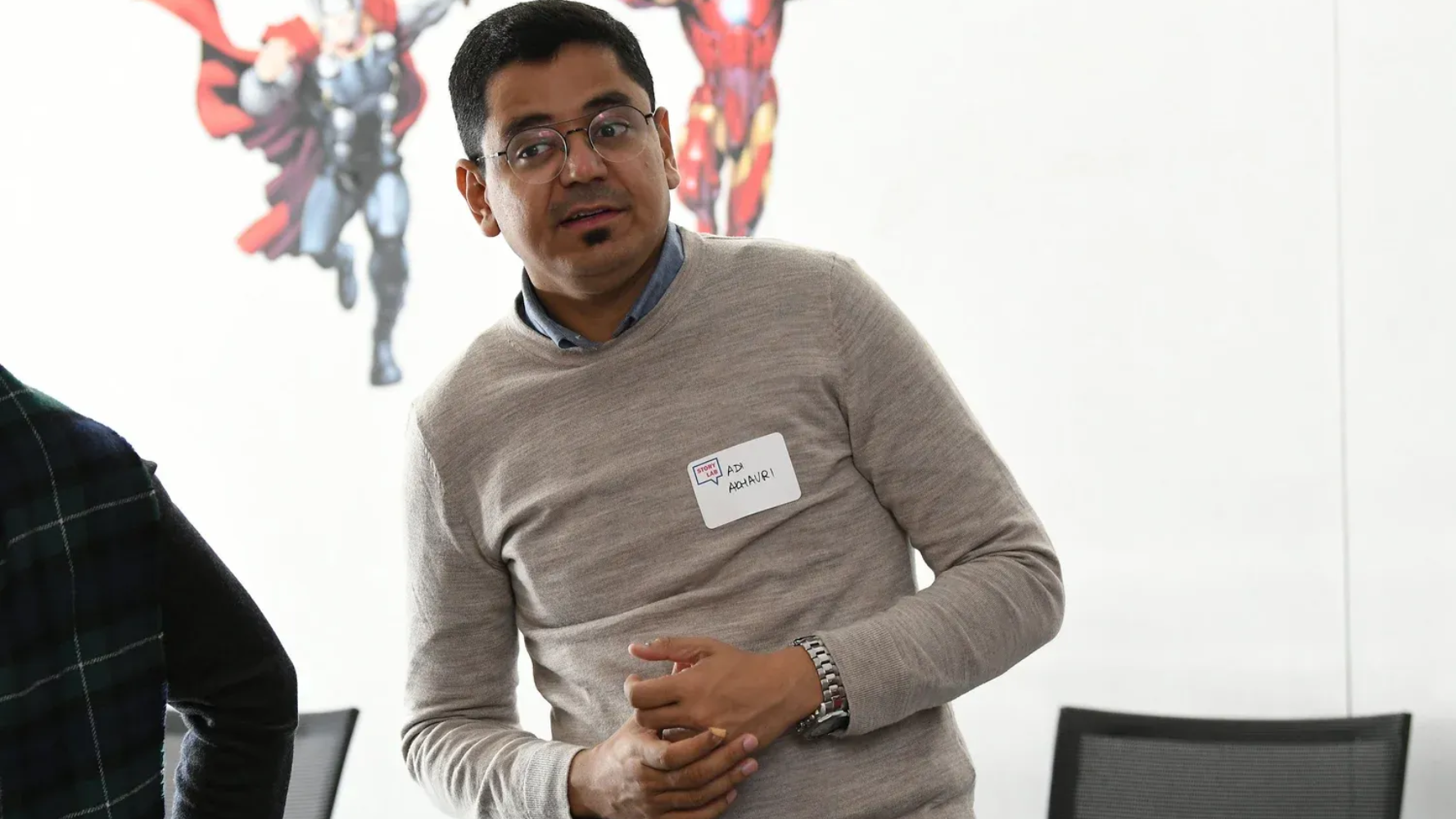
It's never been more important to be yourself. Kara's brother learned this while hiring for his company. He was eight interviews into a search for a new position at this company, and every one of them wasn’t who they said they were on their resume. Some invented their experience. Others leaned so hard on AI that he couldn't find the actual person behind the answers. He was aggravated trying to figure out what was real and what wasn’t. All he knew for sure was that he couldn’t trust his own read, so he handed the search to a recruiter. That's what happens when people can't tell what's real. They get suspicious of everyone. And when one thing about someone seems off, we doubt the whole person: the experience, the credentials, the firm handshake.
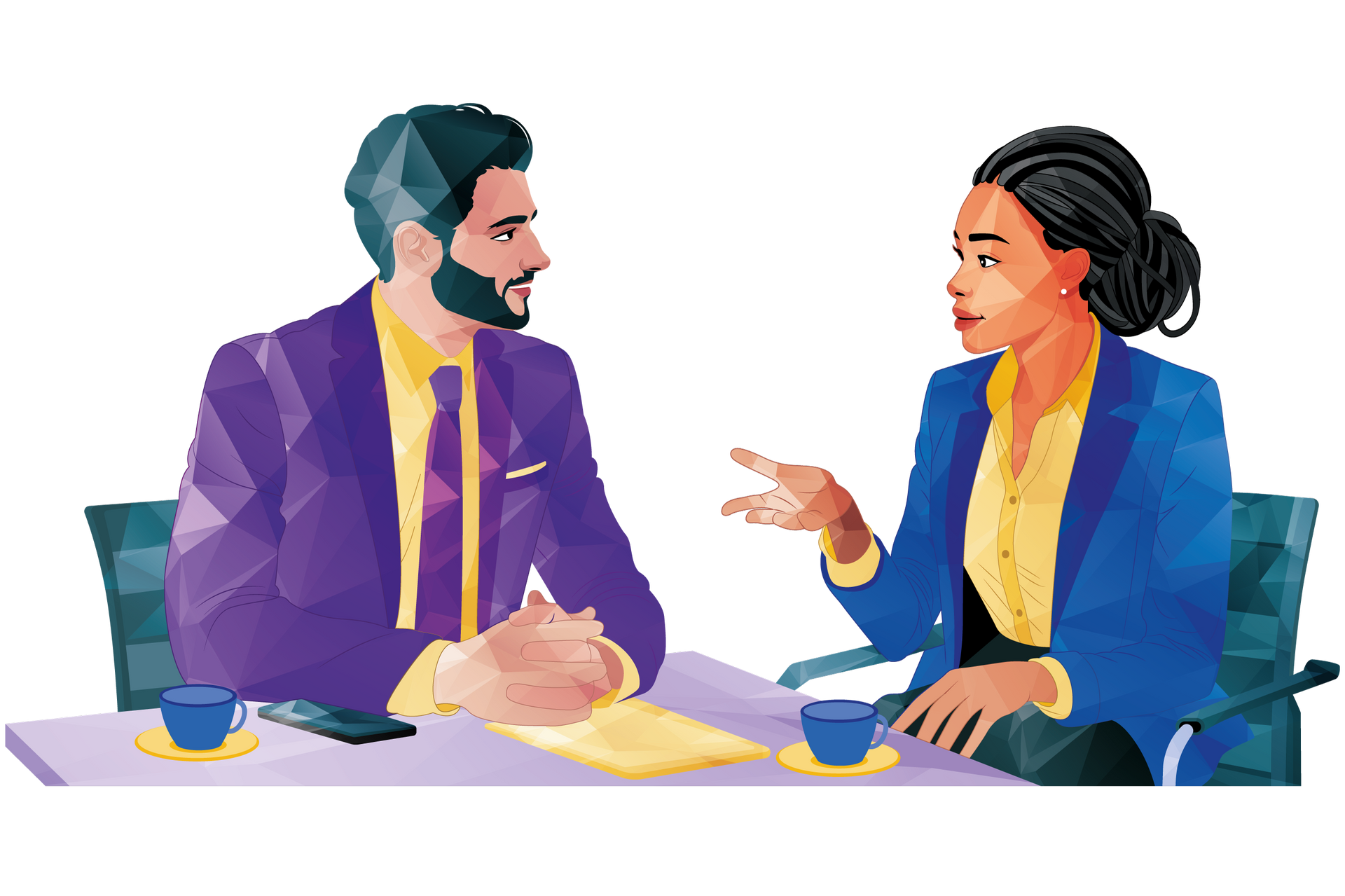
Stephanie had a mentor who went straight to ‘here’s what I would do’ the moment Stepanie asked for advice. Although this mentor was extremely well-meaning, the advice she gave was irrelevant and outside of Stephanie’s reality. “Take your clients to the ballet,” she said. But Stephanie lived nowhere near a ballet company, and her clients weren’t local to her. If this mentor had just paused to ask Stephanie a few questions, her insights would have been a lot better formulated. Most people leading a discussion default to questions that inform them rather than explore possibilities. The difference is subtle, but the impact is huge.

Leaders have to have all the answers, right? Kara had a coaching client who was facing a big org change and needed to keep her people motivated. She was hyper focused on what she should say and how she’d provide her people with answers. She knew this was a critical moment for building and maintaining trust and engagement on the team. But when Kara asked, “What would you be looking for from your leader in a moment like this?” the client said, “For them to listen to me.” Then why do we try to have all the answers? Why don’t we listen?
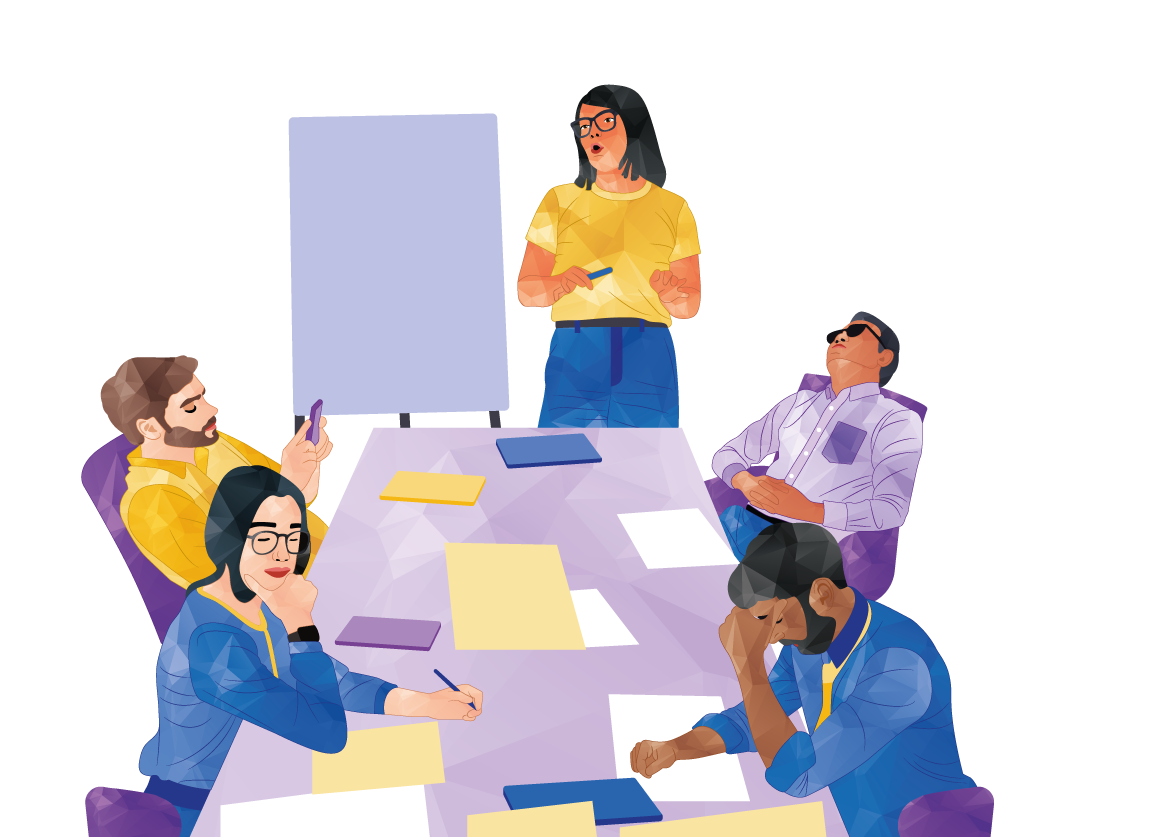
Letitia came to Stephanie stressed. She ran a monthly working group and every month felt the same: low attendance, low engagement, and a Q&A section that was mostly just awkward silence. She spent hours preparing a presentation nobody seemed to care about and couldn't figure out what she was doing wrong. When Stephanie asked her to walk through the format, Letitia said they do forty minutes of presentation followed by twenty minutes of Q&A. She selected the topic each month, recruited a presenter (often herself by default because no one ever volunteered), and carried the entire session on her back. Stephanie pointed out something that surprised Letitia, even though it felt obvious to her in retrospect: the format was inadvertently creating a group of observers, not active collaborators. The meeting was designed in a way that encouraged passivity.